
How to Make a Reusable Produce Bag
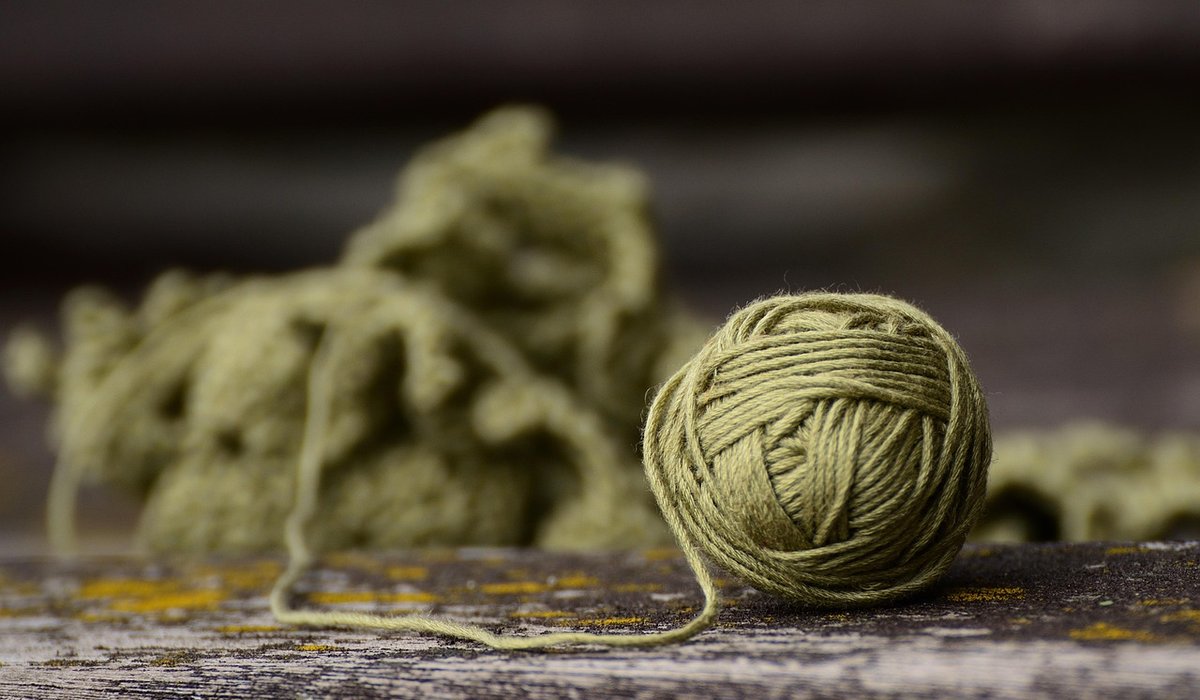
Why a Reusable Produce Bag Is Worth the Faff
There is something quietly satisfying about pulling a soft cotton bag out of your pocket at the greengrocer's while everyone else is wrestling with a plastic one. Loose carrots, a handful of onions, three apples, a scoop of mushrooms — they all sit happily in a lightweight drawstring bag that folds down smaller than a handkerchief.
The practical bit most people miss is weight. Old-school shop scales measure the whole parcel, bag included, so a heavy tote can add hundreds of grams and a few pence to your bill. A cotton produce bag weighs somewhere between 20 and 45 grams, which is easy to record, easy to remember, and easy for a shop assistant to deduct. That is what we mean by tare weight: the weight of the empty container, subtracted from the total so you only pay for the produce.
Choose Lightweight Cotton — Nothing Else Will Do
Weight is the enemy here, so leave the chunky acrylic in the stash. For a produce bag you want:
- 4-ply or double knitting (DK) cotton yarn, ideally unmercerised and undyed. It is strong, washable, and holds its shape without being heavy.
- Calico, cotton lawn, or old cotton sheeting for the sewn version. A metre of 140cm-wide calico will make three or four bags with scraps to spare.
- Cotton cord, tape, or a crocheted chain for the drawstring. About 60cm per bag.
- A 4mm hook for DK, or a 3mm hook for 4-ply.
Avoid polycotton if you can — it is slicker, sheds fibres, and does not breathe the way pure cotton does. Also steer clear of anything fuzzy, such as a brushed cotton or a wool blend, because fluff and pilling make the bag annoying to wash and awkward to weigh accurately.
For very small items — berries, peas, cherry tomatoes — a wide mesh is a nuisance. Make one or two solid bags for those and keep the mesh ones for onions, potatoes, and root vegetables.
The Crochet Version: Mesh Bag in an Evening
This is the fastest option and the one most people finish in front of the television. Work in the round from the base upwards.
- Base: chain 4, join into a ring. Round 1: 8 double crochet (dc) into the ring. Round 2: 2dc in each stitch (16). Round 3: alternate 2dc and 1dc (24). Round 4: alternate 2dc and 2dc (32). You now have a flat circle roughly 12cm across.
- Sides: work one round of plain dc to firm up the base edge, then switch to mesh. Mesh round: chain 3, skip one stitch, 1dc in the next stitch, repeated all the way round and joined to the first chain. Keep going until the bag measures about 28cm from the base.
- Top casing: work two rounds of plain dc, then one eyelet round of chain 2, skip 1, dc. Finish with one more plain dc round and fasten off.
- Drawstring: crochet a chain about 70cm long, thread it through the eyelet round with a blunt needle, and knot the ends together.
Thirty grams of DK cotton will comfortably make two bags. Stretch the mesh gently as you go — cotton relaxes after washing, so slightly tighter is better than slightly loose.
The Sewn Version: Simple Drawstring Pouch
If you have a machine and half an hour, this is the quickest route to a drawer full of bags.
- Cut two rectangles 30cm wide by 35cm tall. A rotary cutter makes this a two-minute job.
- Place right sides together and sew down both sides and across the bottom with a 1cm seam allowance. Zigzag or overlock the raw edges, or use French seams if you want a tidy finish with no fraying.
- Turn the top edge over by 3cm to the wrong side, press, and stitch 1cm from the folded edge all the way round, leaving a 3cm gap in the stitching for the cord.
- Thread a 60cm length of cotton tape or cord through the channel, knot the ends, and pull tight.
Boxing the corners — pinching the bottom corners into triangles and stitching across 3cm from the point — turns a flat pouch into a bag with a proper base that stands up on the scales. It adds a minute and makes a real difference when you are filling it.
Weigh It and Write the Number Down
This step is what separates a nice idea from a genuinely useful bag.
- Use kitchen scales that read to the nearest gram. Bathroom scales are hopeless for this.
- Weigh each finished bag on its own, with the drawstring attached, and note the figure. A DK crochet mesh bag usually lands around 25–35g; a calico pouch at this size is often 35–45g.
- Write the weight on the bag in laundry pen, or sew in a small cotton tag. A permanent mark saves you guessing at the till.
- Keep a running list in your phone notes — "two mesh bags, 30g each; one calico, 42g" — so you can do the sums before you reach the counter.
At an independent greengrocer or market stall, just say the tare weight when you hand the bag over. Most will happily deduct it, and many are delighted you have thought about it. Supermarket self-service scales vary, so weigh produce loose where you can and bag it after.
Washing, Shrinking, and the Long Haul
Cotton produce bags get grubby, so treat them like tea towels. Wash at 30°C with your normal load, and skip the fabric softener — it coats the fibres, makes the cotton feel slippery, and reduces how well it holds moisture.
Expect a little shrinkage on the first hot wash. That is usually a good thing for a loose mesh, because it tightens the stitches, but it changes the weight slightly, so re-weigh after the first wash and update your note. Line dry rather than tumble dry to keep shrinkage predictable.
Look after a set of half a dozen and they will last years — far longer than the flimsy plastic alternative, and far pleasanter to carry. Start with two, see how you get on, and let the stash decide the rest.

4 Comments