
Essential Knitting Tools for a Beginner's Craft Bag
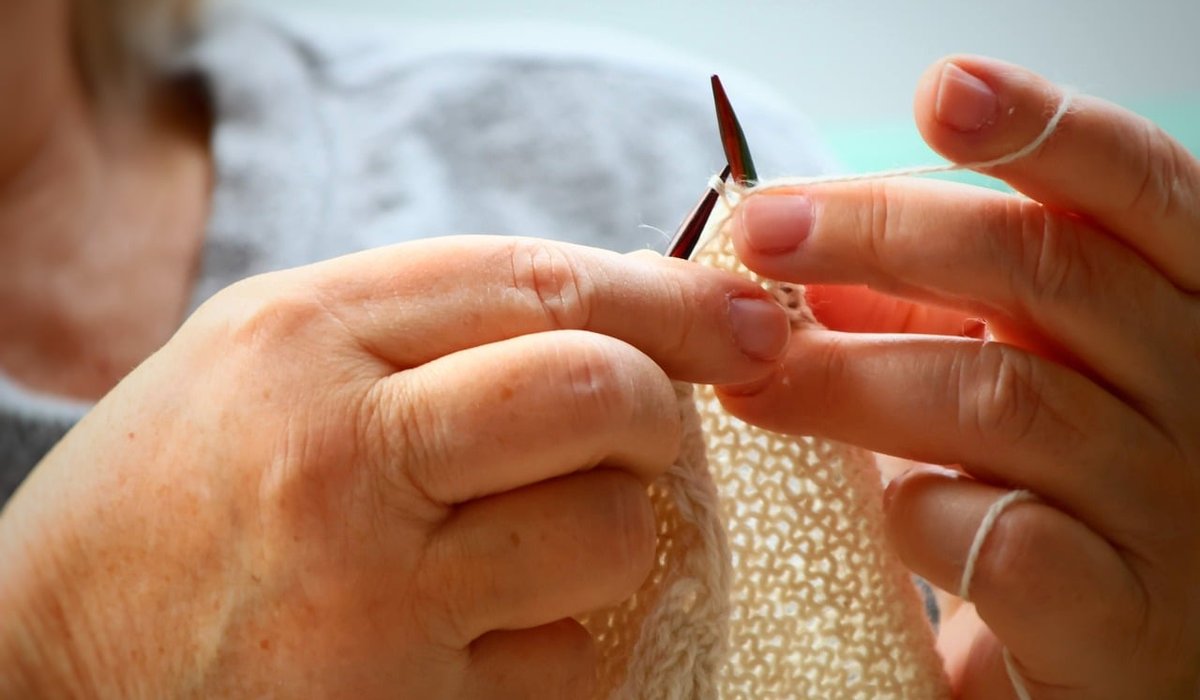
There is a particular pleasure in sitting down with a fresh ball of yarn and everything you need within arm's reach. The trouble for new crafters is that the internet is full of lavish tool kits, wooden cases and gadgets you will not touch for years. You do not need any of that. You need a handful of reliable basics, a bag to keep them in, and the discipline to add more only when a pattern actually asks for it.
Start With the Four Essentials
If you are building your first bag from scratch, buy these four things and nothing else. They will carry you through scarves, blankets, hats, simple jumpers and almost every beginner-friendly project you are likely to cast on this year.
- Needles or a hook in a mid-range size. For knitting, a pair of 4mm straight needles covers most double knitting and worsted weight patterns. For crochet, a 4mm or 4.5mm hook does the same job. Metal or smooth plastic is easier for beginners than slippery wood, because the yarn does not slide away from you.
- Stitch markers. A pack of the simple ring kind, plus a few clip-on ones, costs very little. They mark the start of a round, hold your place in a repeat, and rescue you when you lose count halfway through a row.
- A small pair of sharp scissors. Embroidery scissors with fine points are ideal. Keep them in the bag, not in the kitchen drawer, or they will vanish.
- A tape measure. The flexible dressmaker's kind, 150cm long, with both centimetres and inches. Tension squares, sleeve lengths and hat circumferences all depend on it.
Why a Small Kit Beats a Big One
New crafters often buy a huge set of interchangeable needles or forty crochet hooks before they have finished a single project. The trouble is that choice slows you down. When every size is in front of you, you spend more time deciding than making.
A small kit also teaches you what you actually like. Once you have knitted a few things, you will know whether you prefer the click of metal, the warmth of wood, or the grip of a rubberised handle. That knowledge is worth more than any bargain bundle, and it means the set you eventually buy will be the right one for your hands.
Three Extras Worth Having to Hand
Once the basics are in place, add these. None of them are expensive, and all three earn their place in the bag within a few weeks.
- A blunt darning needle. For sewing in ends, seaming pieces together and grafting toes on socks. Buy two, because they hide.
- A row counter. A simple clicker on a cord, or a sliding counter that sits on the needle. Invaluable for anything with shaping.
- A small notebook and pencil. Jot down the needle size, the yarn, the pattern repeat and where you stopped. Future you will be grateful.
If you crochet, swap the darning needle for a slightly larger one with a bent tip, which makes weaving in ends through dense stitches far easier. A small tin or zip pouch to hold the little things stops them migrating to the bottom of your bag.
Let the Pattern Tell You What to Buy
This is the single most useful rule for keeping your kit under control: buy a tool when a pattern demands it, not before.
- Knitting a hat in the round? That is when you buy a 40cm circular needle and a set of double-pointed needles in the right size, or learn magic loop and buy one longer cable instead.
- Working lace? Cable needles and lace tips can wait until you have a chart in front of you. A spare needle or a bent paperclip will do for a simple cable in the meantime.
- Knitting socks? You will want small needles, around 2.25mm to 2.75mm, and possibly a set of five double-pointed needles rather than four.
- Making pom-poms or tassels? A piece of cardboard and a pair of scissors work perfectly well. Do not buy a gadget for a one-off trim.
There are exceptions worth planning for. Gauge swatches are non-negotiable on garments, so a set of needles in two or three sizes around your pattern's recommendation is a sensible early purchase. Blocking mats and pins matter for lace and for anything that needs to lie flat, but only once you actually reach that stage. And a yarn bowl or a simple project bag is a genuine help if you have pets, small children, or a habit of working on the sofa.
When a pattern does call for something specialist, buy the version suited to your project rather than the cheapest multi-pack. One good 3.5mm circular needle will serve you better than six sizes of a wobbly set that snag every stitch.
Keeping It Tidy and Ready to Go
Finally, a word on storage. A sturdy zip-up project bag with a couple of internal pockets keeps needles separate from yarn and stops points from poking through the fabric. Keep everything in one place, and give the bag a quick sort every few projects: sharpen or replace blunt scissors, bin the oddments of yarn too short to use, and put the needles back in their size sleeves.
Look after your kit and it will look after you. Wash your hands before you start, especially with pale yarn, and store needles somewhere dry so metal does not pit and wood does not warp. A well-kept bag of simple tools, chosen with a little thought, will see you through years of happy making. Start small, add slowly, and let the patterns lead the way.

4 Comments